

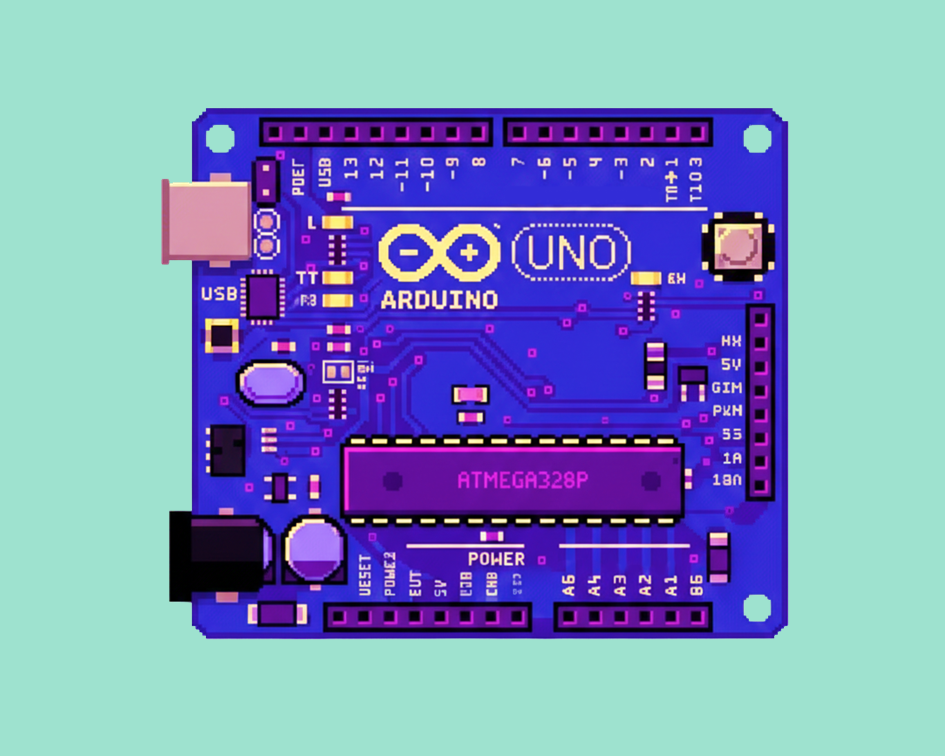
Arduino
A controller board that processes input from sensors and controls actuators in a circuit.
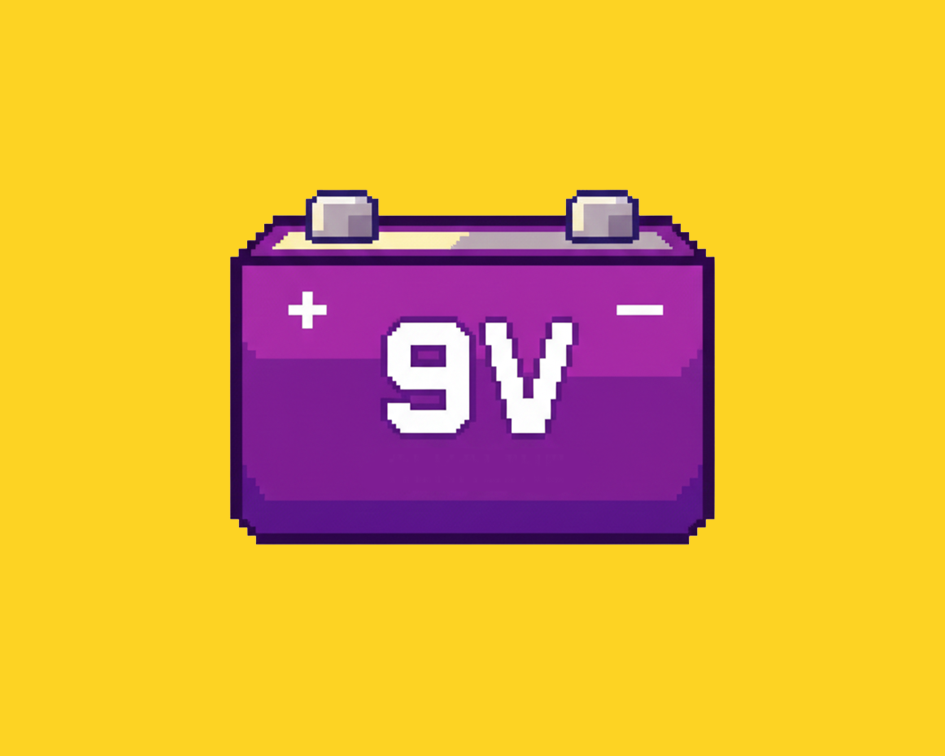
Battery
Supplies electrical power to a circuit and must be connected with correct polarity.
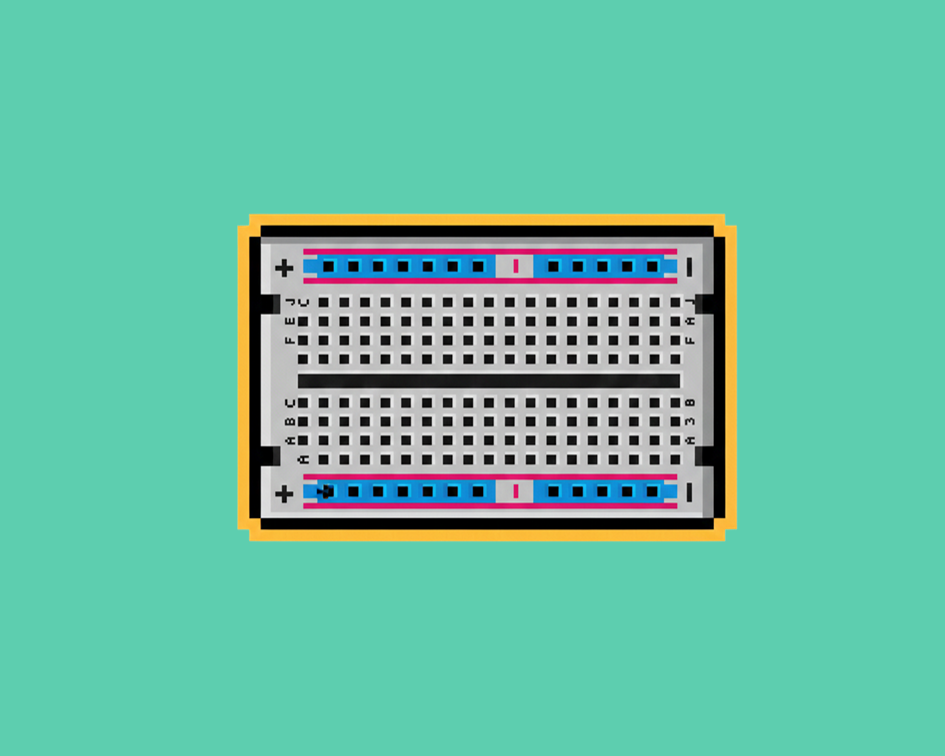
Breadboard
Used to build and test circuits without soldering.
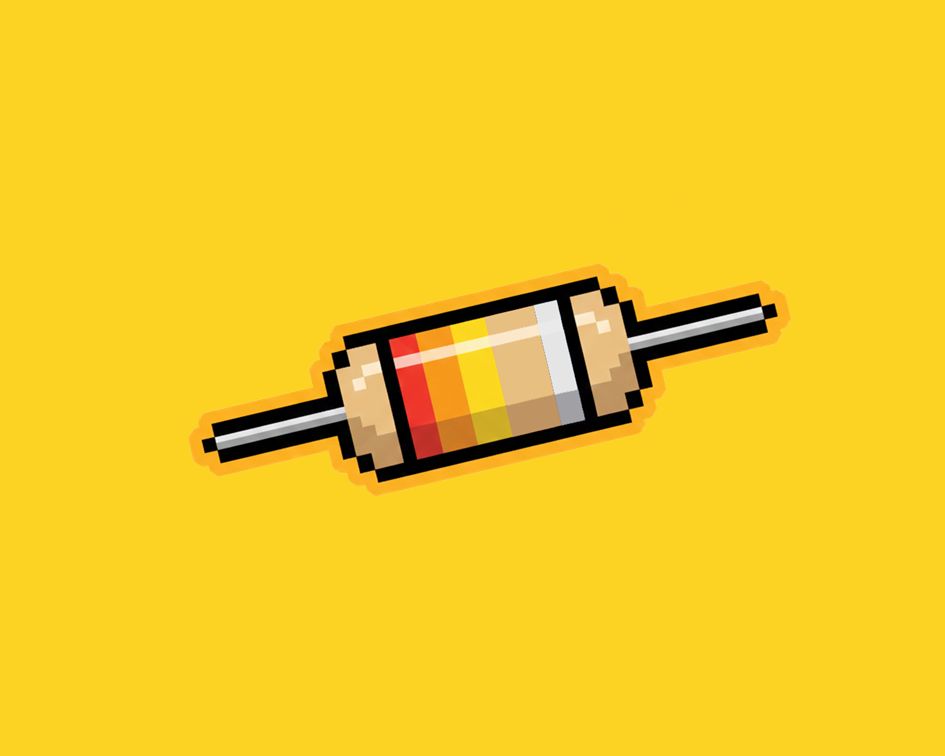
Resistor
Limits the flow of current to protect other electronic components.
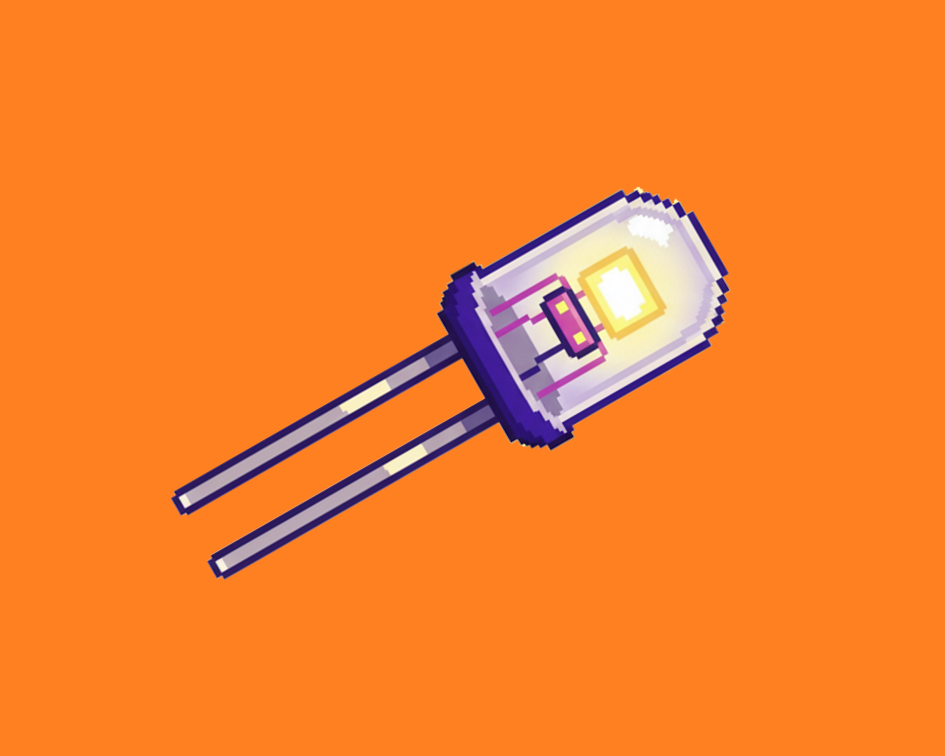
LED
Emits light when connected in the correct direction and powered.
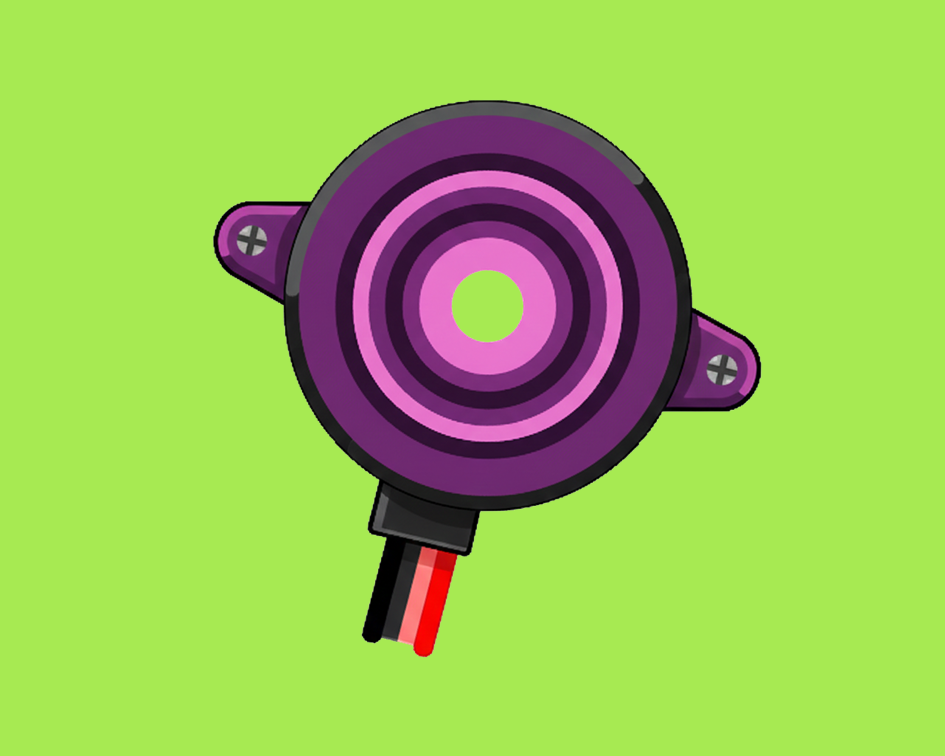
Buzzer
Produces sound and is used as an alert or notification device.
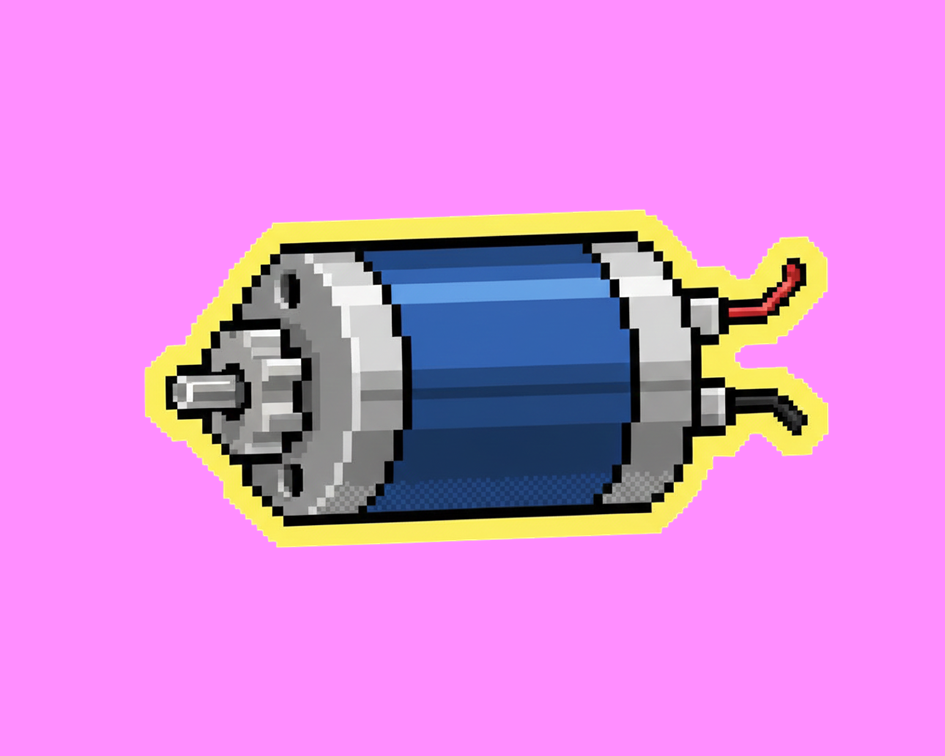
DC Motor
Converts electrical energy into rotational movement and acts as an actuator.
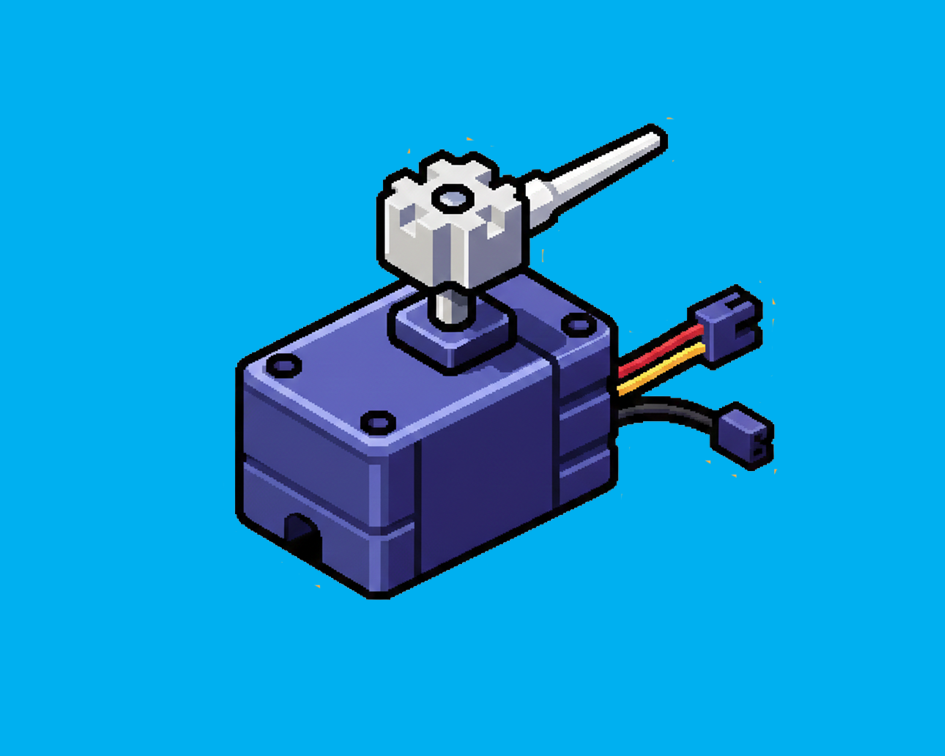
Servo Motor
An actuator that moves to precise angles based on control signals.

LDR
A sensor that detects light intensity by changing its resistance.
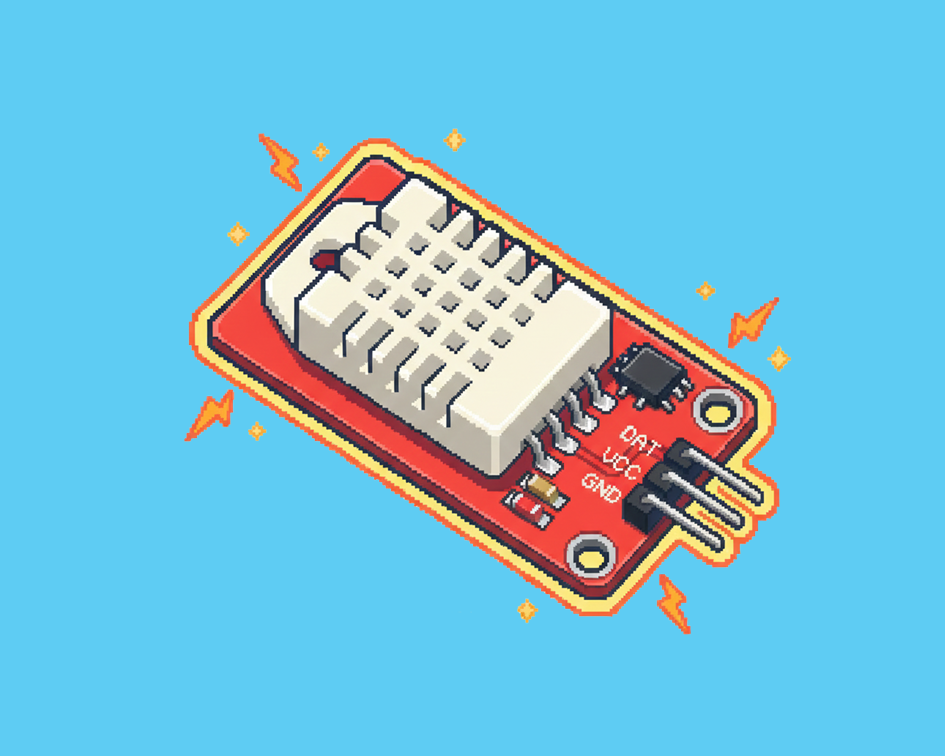
DHT22
A sensor that measures temperature and humidity.
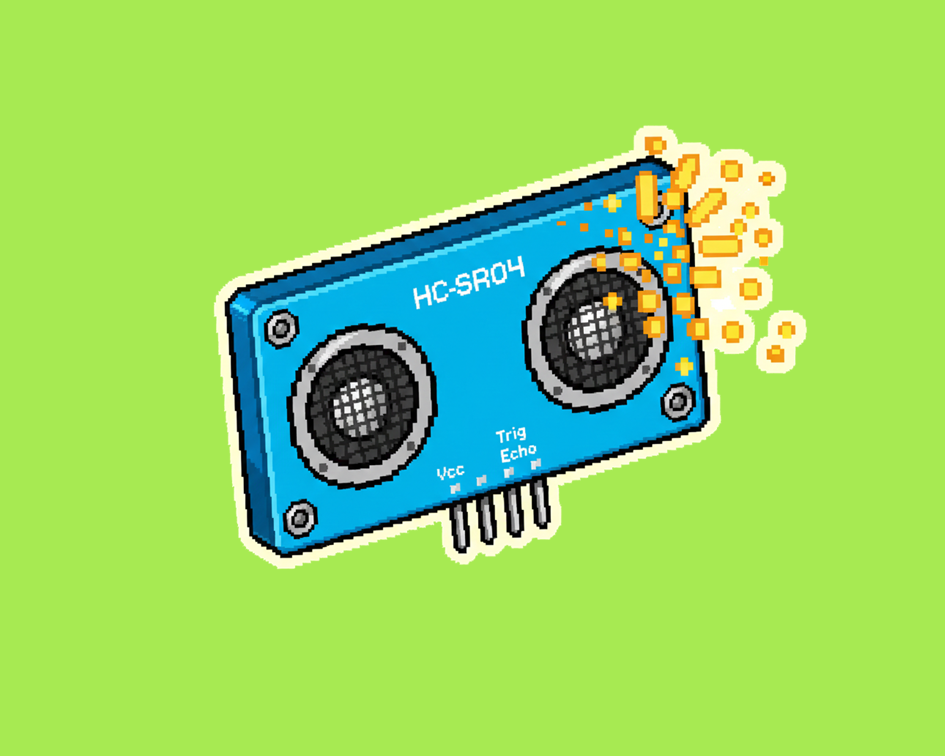
Ultrasonic Sensor
Detects distance by sending and receiving sound waves.
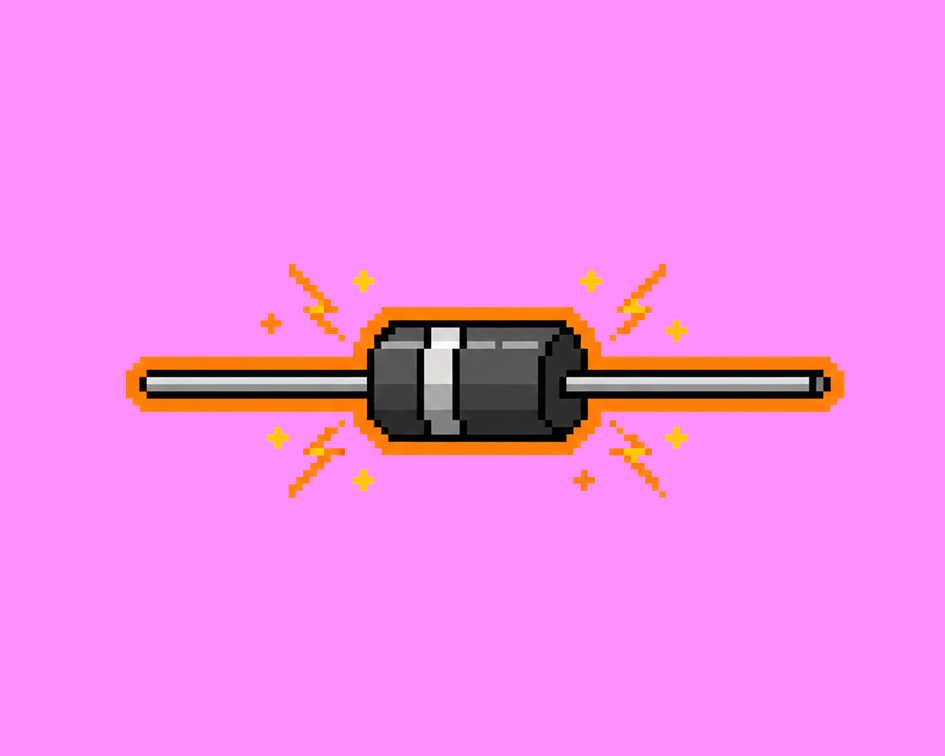
Diode
Allows current to flow in only one direction and has polarity.
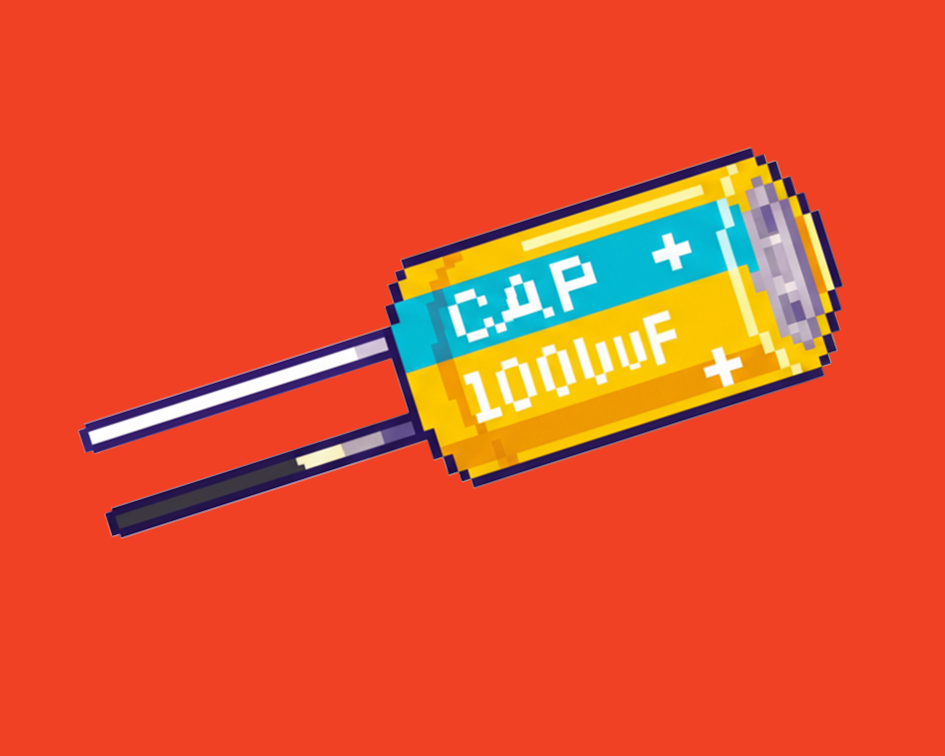
Capacitor
Stores electrical energy for a short time. Some capacitors have polarity.
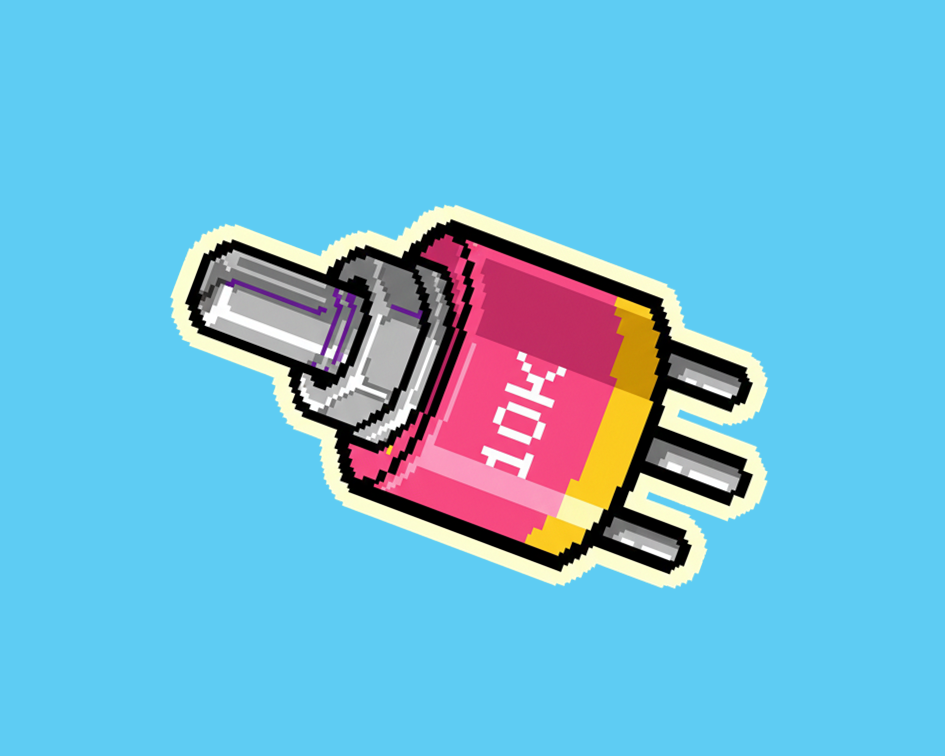
Potentiometer
A variable resistor used to adjust values such as volume or brightness. It has no polarity.
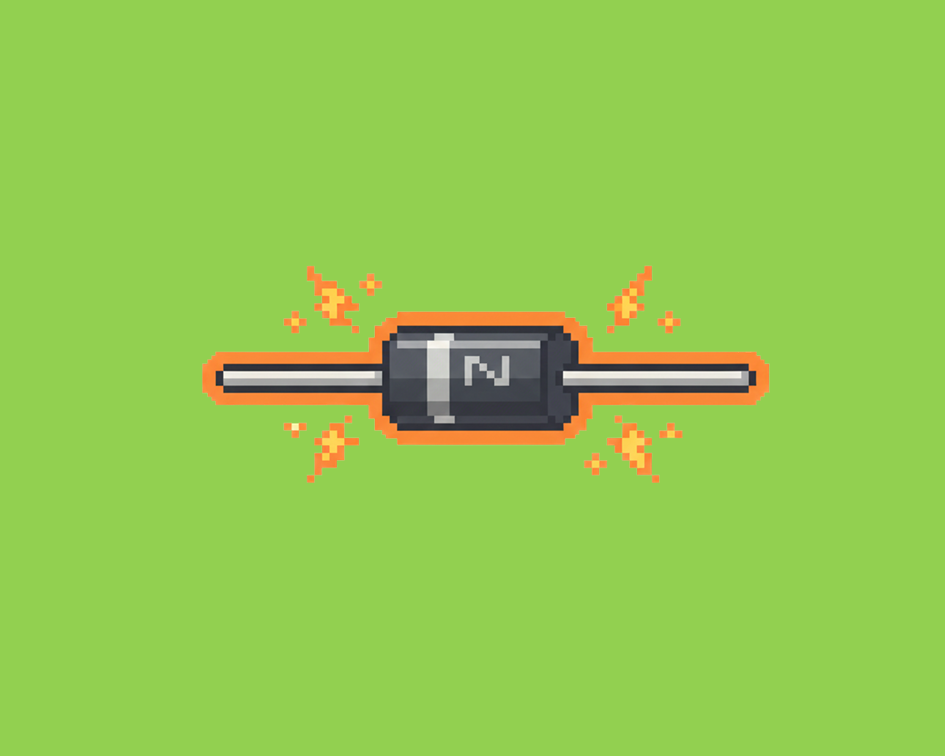
Zener Diode
Maintains a stable voltage and must be connected in the correct direction.
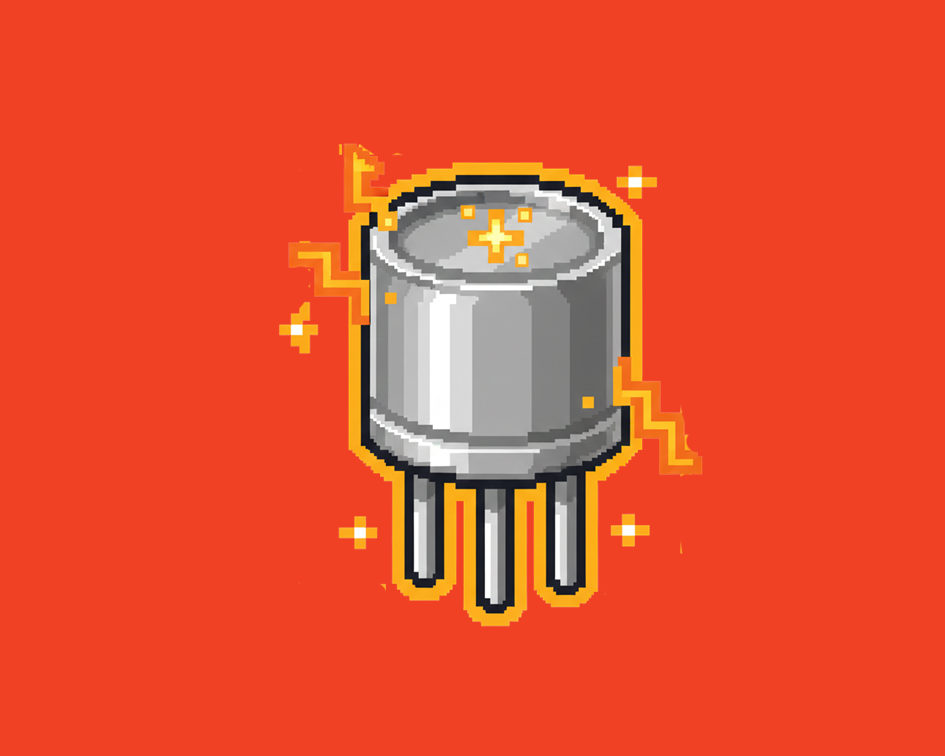
Transistor
Acts as a switch or amplifier and must be connected correctly.
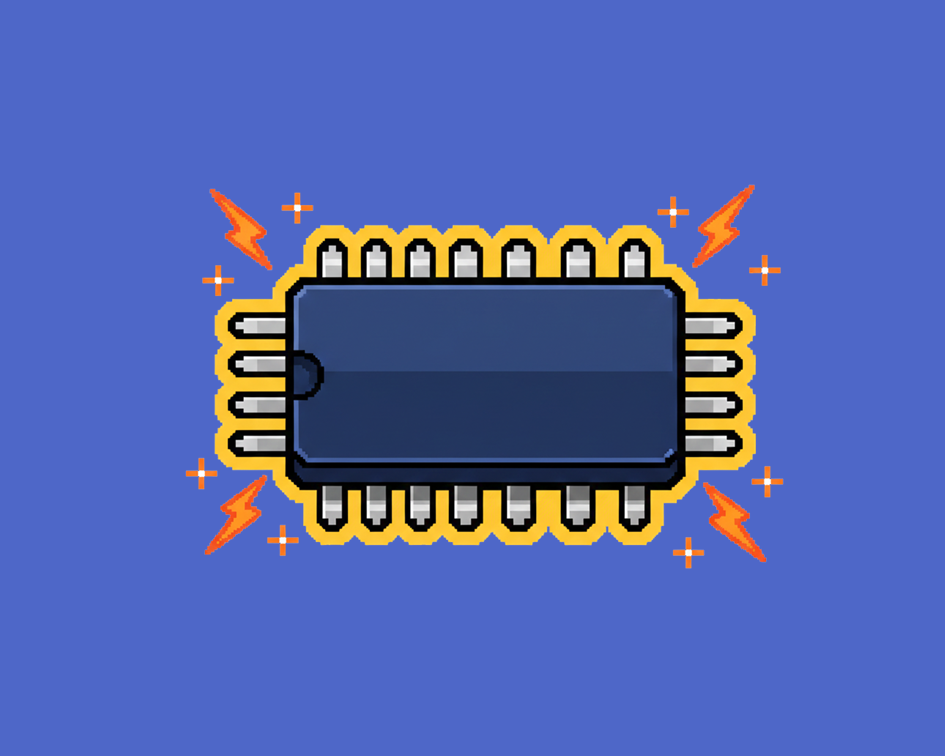
Integrated Circuit
A compact chip that performs specific electronic functions.
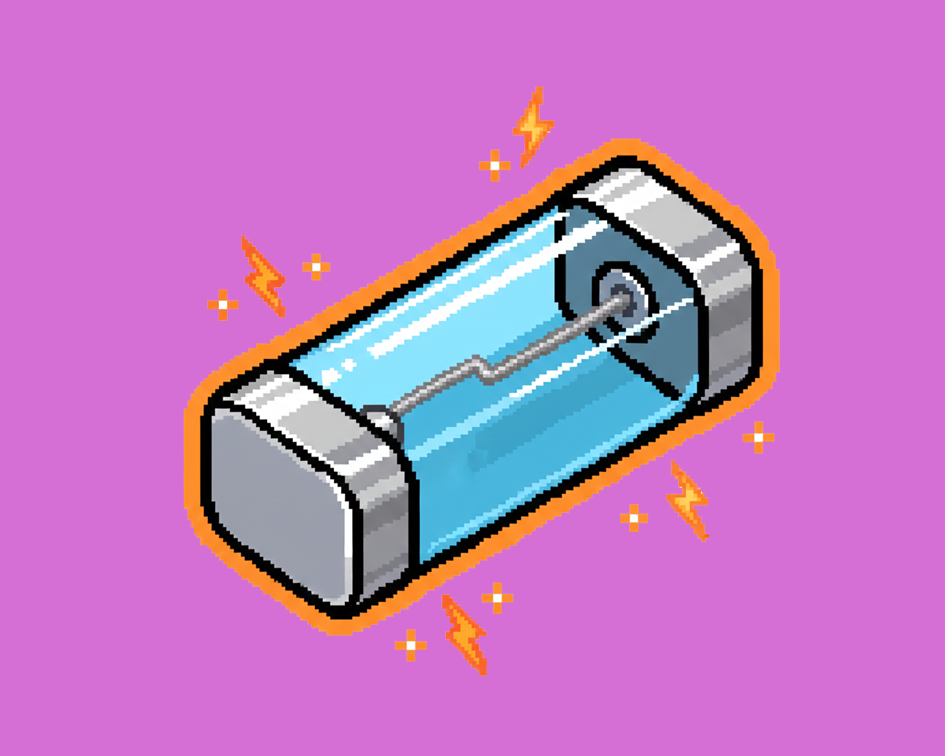
Fuse
Protects a circuit by breaking the connection when current is too high.
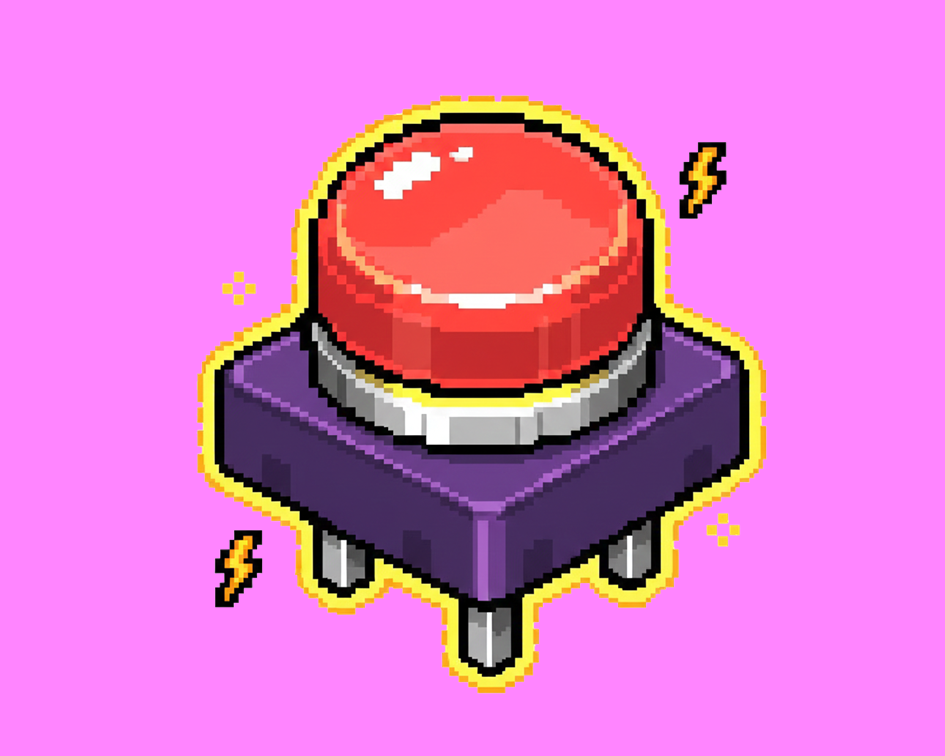
Push Button
Allows the user to control a circuit by pressing the button.
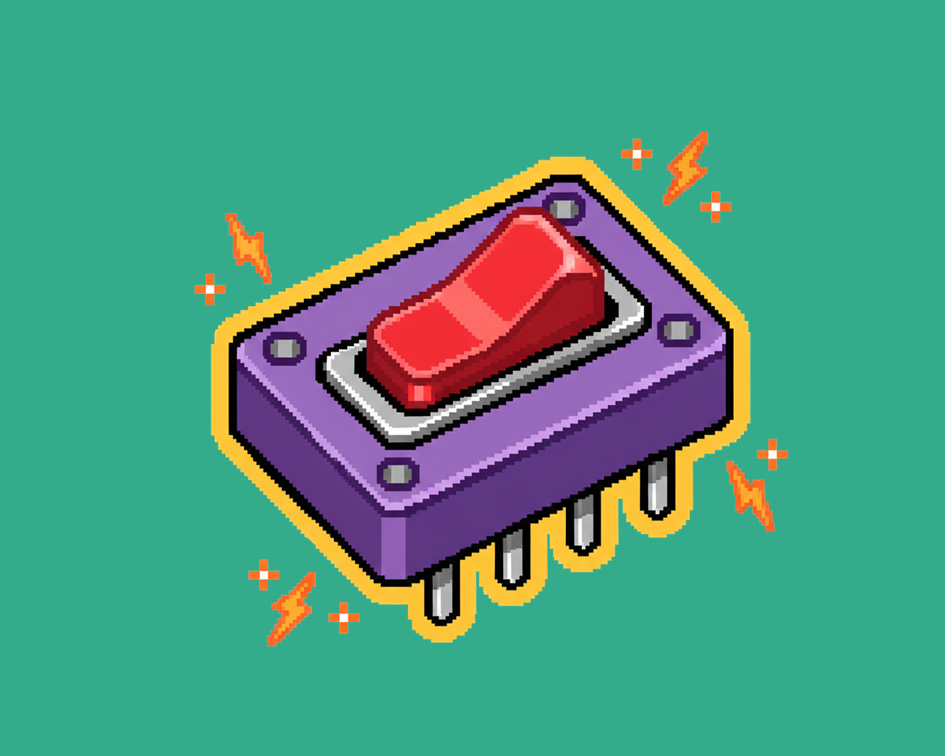
Slide Switch
Turns a circuit on or off by sliding the switch.
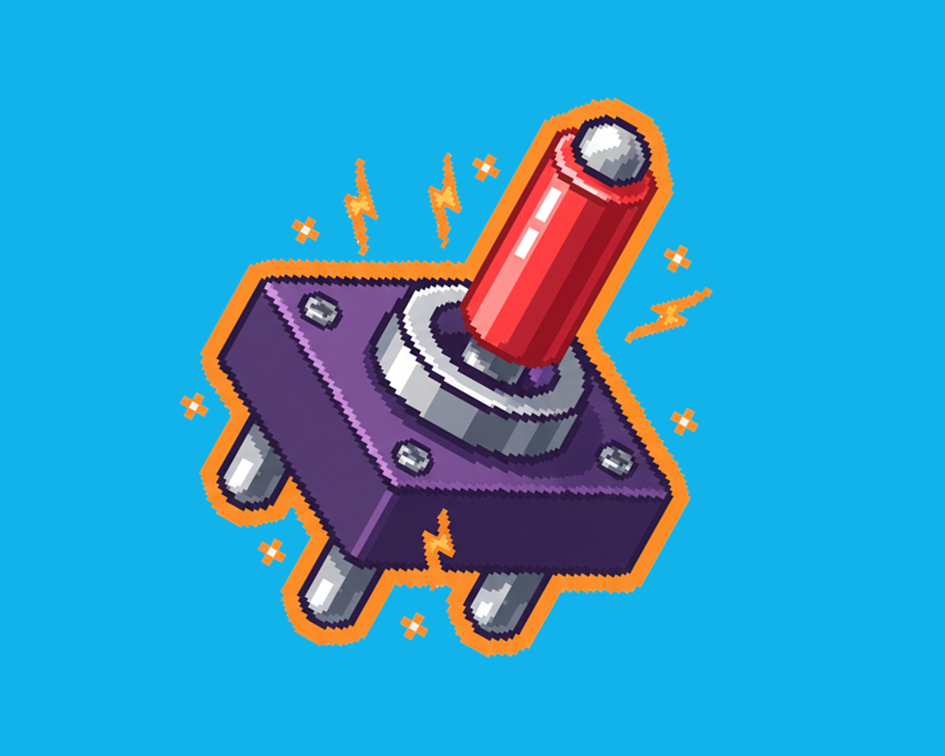
Toggle Switch
Controls the flow of electricity using a mechanical lever.
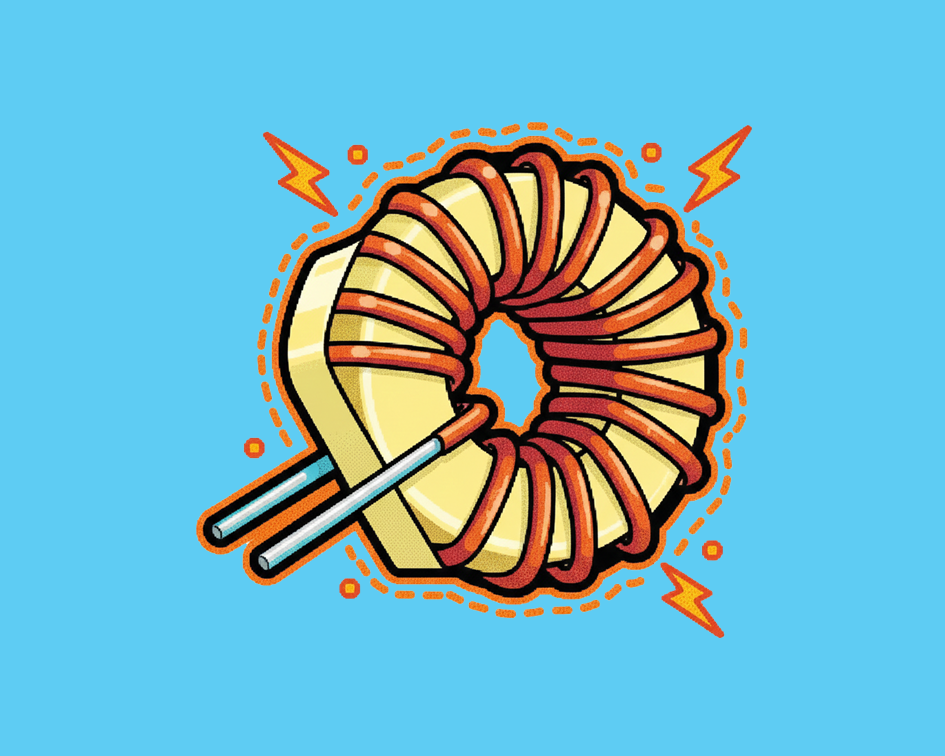
Transformer Coil
Uses magnetic fields to change voltage levels in a circuit.
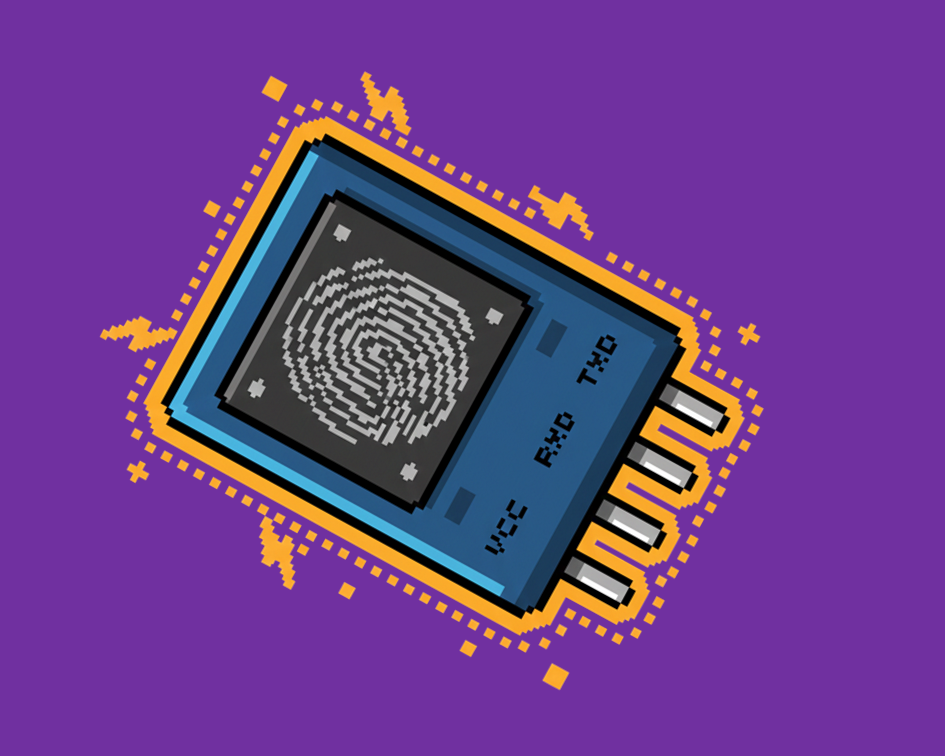
Fingerprint Sensor
Reads fingerprint patterns and acts as a biometric sensor.