ProbGAI
Integrating Generative AI into Problem-Based Learning for Arduino Based Embedded Systems Education
About ProbGAI
Toward Learning with AI
ProbGAI is an interactive learning platform that integrates Generative AI into Problem Based Learning. It guides students to explore and solve real world engineering tasks while developing critical thinking and problem solving abilities.
Designed for higher education, ProbGAI connects solid pedagogy with modern technology to prepare students for the future of AI supported engineering work.
All scenarios are reviewed by experienced engineers and validated for accuracy and learning value.
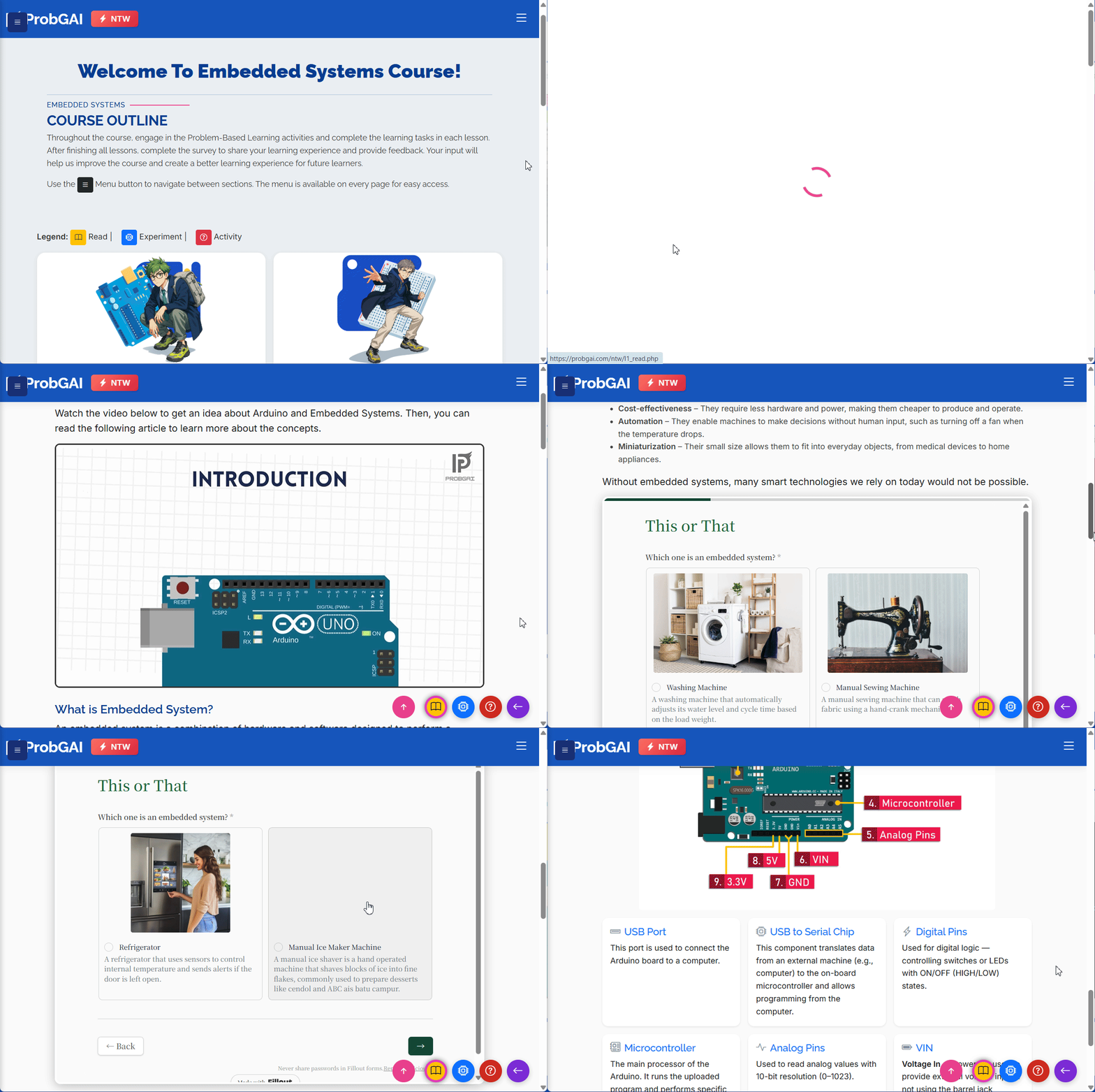
Read - Experiment - Activity
Students follow a simple sequence that builds understanding and confidence.
Comprehensive Topics
Cover foundational concepts of Embedded Systems using the Arduino platform.
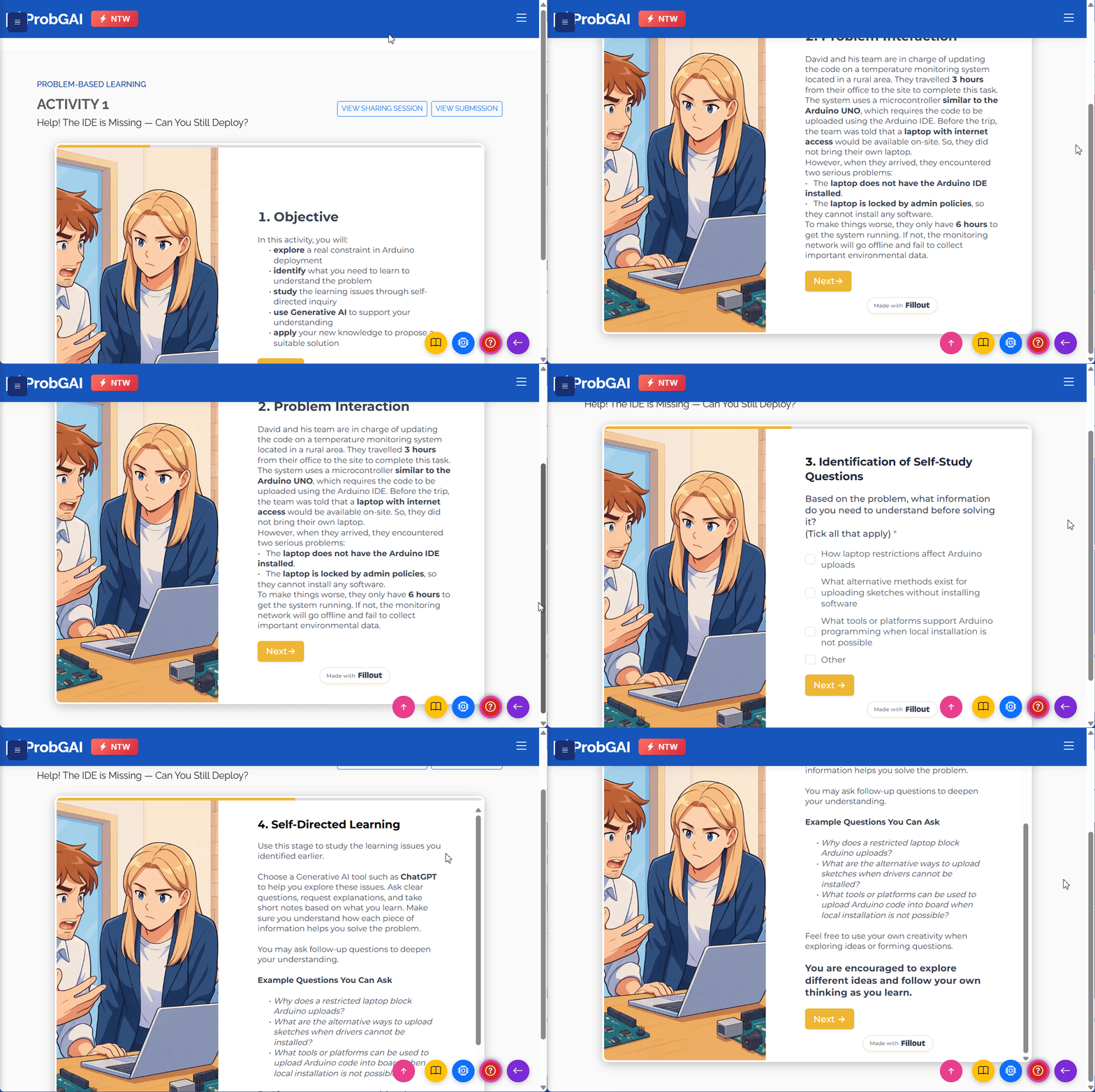
Engage in Activities with AI Assistance
Perform learning activities guided by AI assistance.
Features
ProbGAI enhances Problem Based Learning through structured reasoning, AI supported inquiry, and meaningful student reflection.
Realistic Engineering Scenarios
Students work on authentic Arduino related challenges developed with input from experienced engineers.
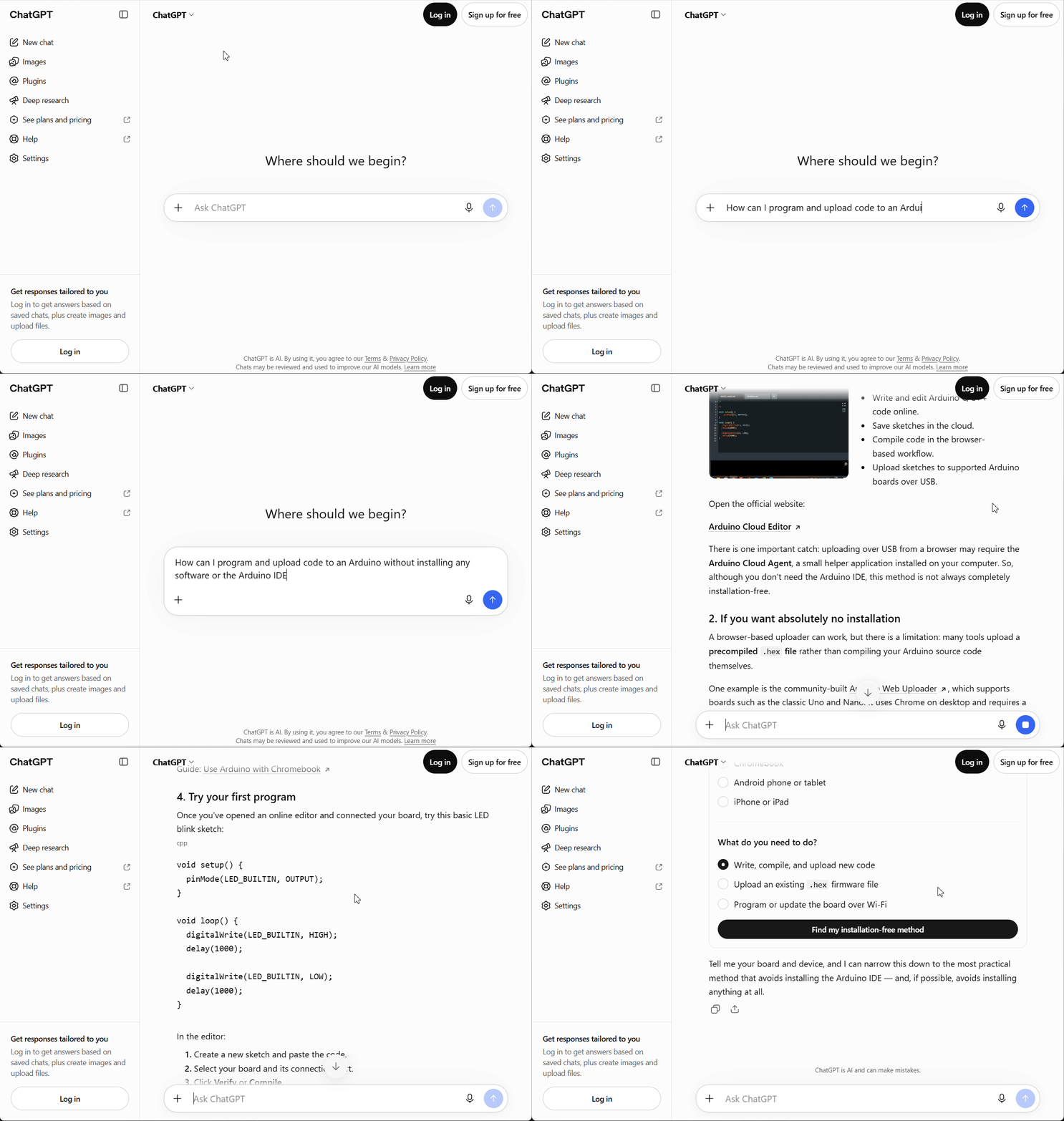
Guided Inquiry with AI
Students explore knowledge gaps using structured AI prompts that encourage analysis and reflection.
Solution Building
Students apply their understanding to propose solutions and justify their reasoning.
System Integration Challenge
Students enhance a small Arduino system by integrating various components to extend functionality.
Evaluation & Improvement
Students evaluate their reasoning, refine ideas, and identify improvements for their designs.
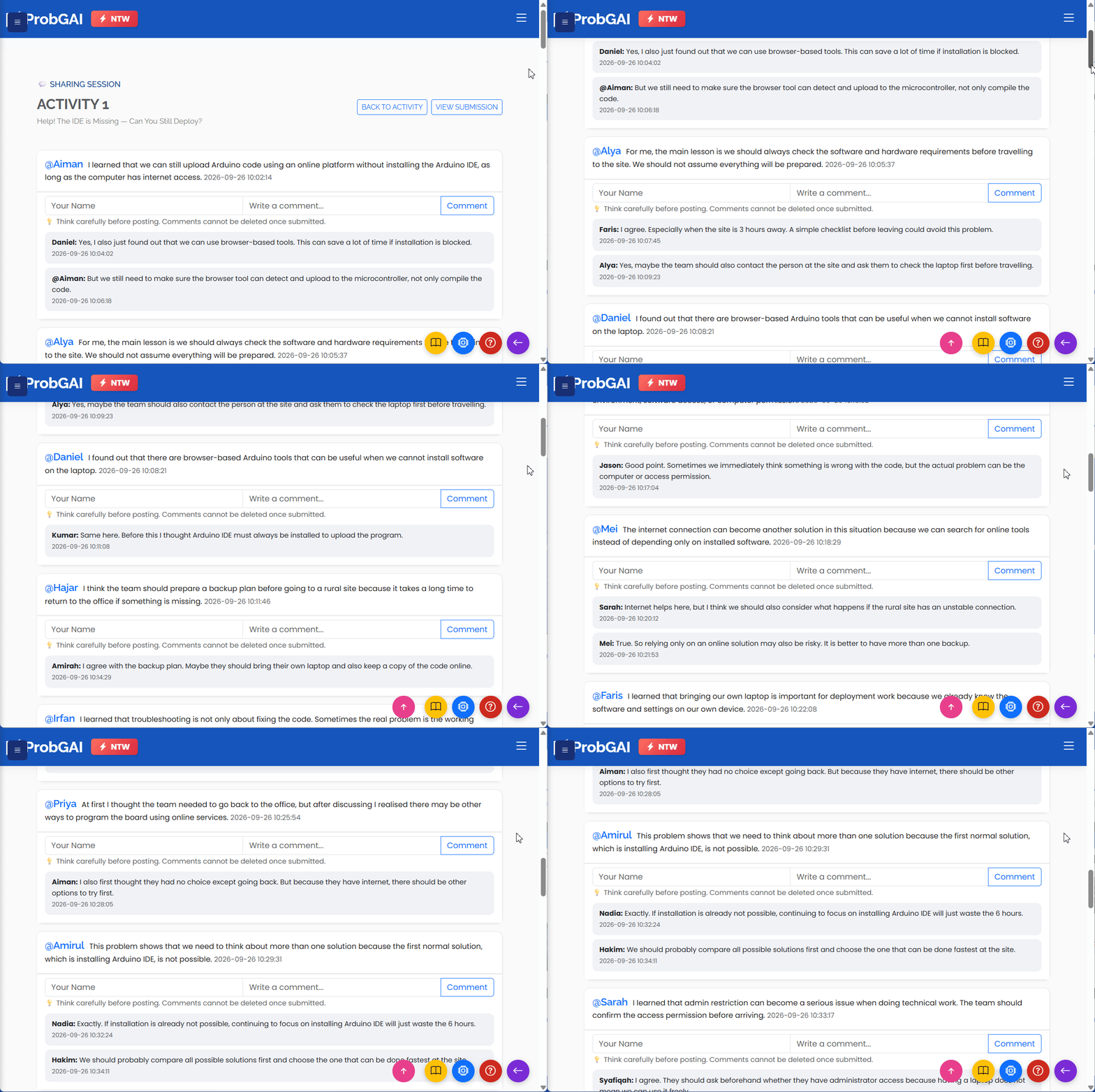
Class Sharing Session
Learners share their opinions with peers to learn from diverse perspectives and approaches.
Beyond Troubleshooting
ProbGAI encourages students to think like engineers. They justify decisions, evaluate choices, and improve their designs through reflective reasoning.
Arduino Upload Failure
Students investigate why the IDE cannot upload code due to configuration or driver issues.
Incorrect Circuit Behavior
Students analyze simple circuits to understand unexpected LED or buzzer behavior.
System Integration Challenge
Students improve a small Arduino system by integrating various components.
Design Justification
Students justify their solutions by explaining the reasoning, evidence, and design choices behind their decisions.
Decision Making
Students evaluate alternatives, consider constraints, and make informed choices while practicing ethical use of AI.
System Enhancement
Students propose improvements, integrate additional components, and extend the system for real world application.
Embedded Systems
ProbGAI offers a beginner-friendly Arduino syllabus introducing essential concepts like Arduino Uno, IDE, digital and analog I/O, serial communication, and sensor–actuator integration through guided learning.
Beginner-Friendly Arduino Syllabus
Students begin with Arduino basics and progressively learn how digital and analog components interact in embedded systems.
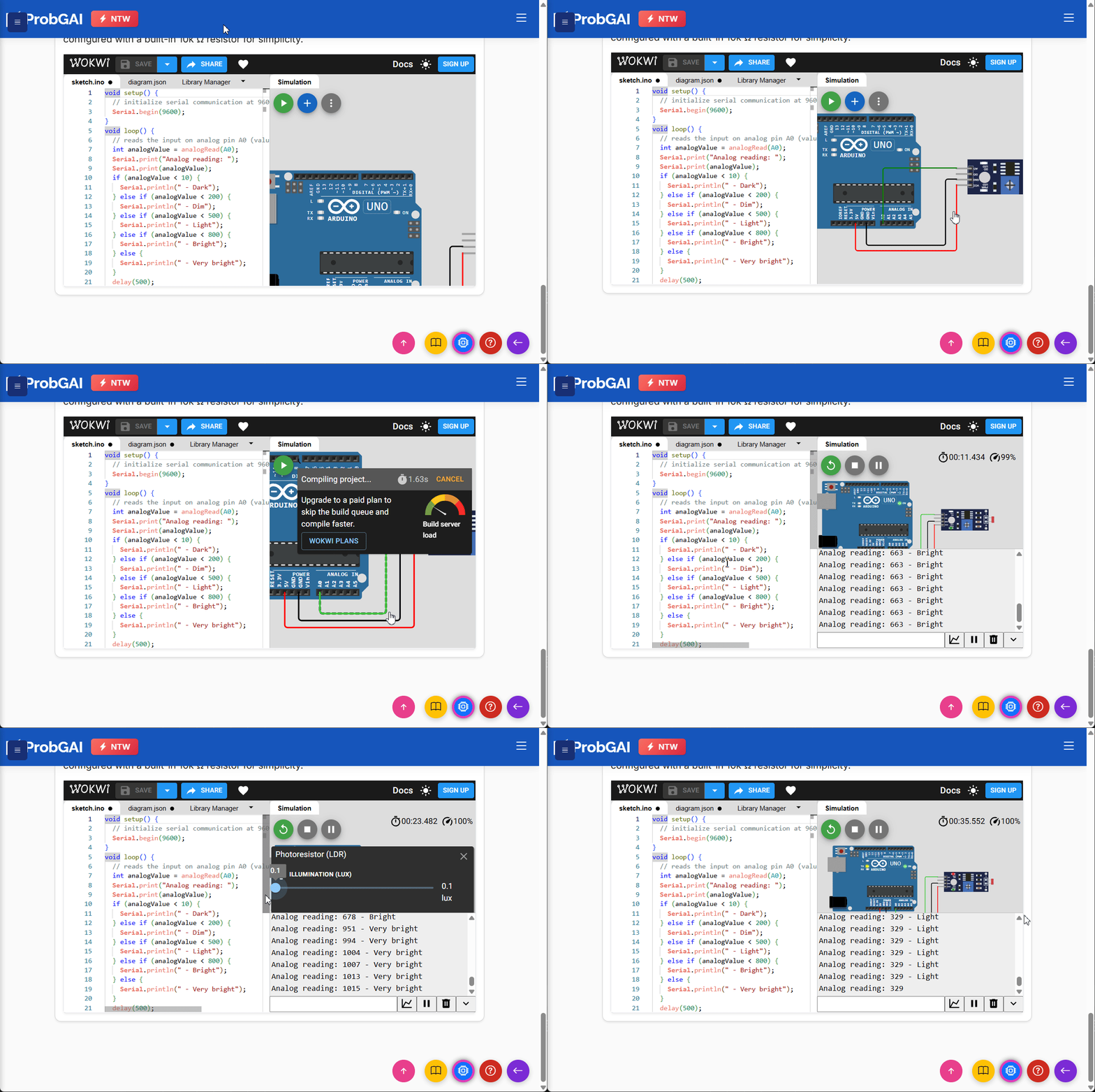
Hands-On Experiments with Basic Electronics
Each lesson includes guided experiments using LEDs, LDRs, switches, and DHT22 sensors — connecting theory with real-world practice.
Open-Source and Accessible Anywhere
Using web-based open-source tools, students can experiment and learn anytime — extending their practice beyond the classroom.
Recognition
ProbGAI has gained academic recognition through awards, research findings, and institutional support.
First Place Poster Award
First Place Winner in the Poster Competition for Social Science Research at the International Conference of Artificial Intelligence and Its Application in 2025 (ICON-AI 2025).
Research Driven Development
ProbGAI is developed through a structured research process with guidance from the Faculty of Educational Sciences and Technology at Universiti Teknologi Malaysia.
Contact
For academic collaboration, pilot testing, or inquiries about ProbGAI, please reach out using the details below.
Location
ProbGAI is developed and maintained by a researcher affiliated with the Faculty of Educational Sciences and Technology (FEST), Universiti Teknologi Malaysia (UTM). The platform operates remotely for research and educational purposes.
Office Hours
Typical response hours: Monday – Friday [9:00 AM – 5:00 PM (GMT+8)]